
Day & Night
The sun lights and warms the Earth in the day. At night we can see the moon and stars.
Every morning the sun seems to rise, cross the sky and set in the evening. That’s because the Earth is spinning! When our side faces the sun, it’s day. When it turns away, it’s night, and we can see the moon and stars.

Words to know
Tap a picture to hear it.
Did you know?
- The sun is a star. It looks big because it is the closest star to us.
- The moon doesn’t make its own light. It reflects light from the sun.
- Your shadow is long in the morning and evening, and short at lunchtime.
- Never look straight at the sun. It can hurt your eyes.
Try it! Hands-on activities
Simple things to do together with stuff you already have.

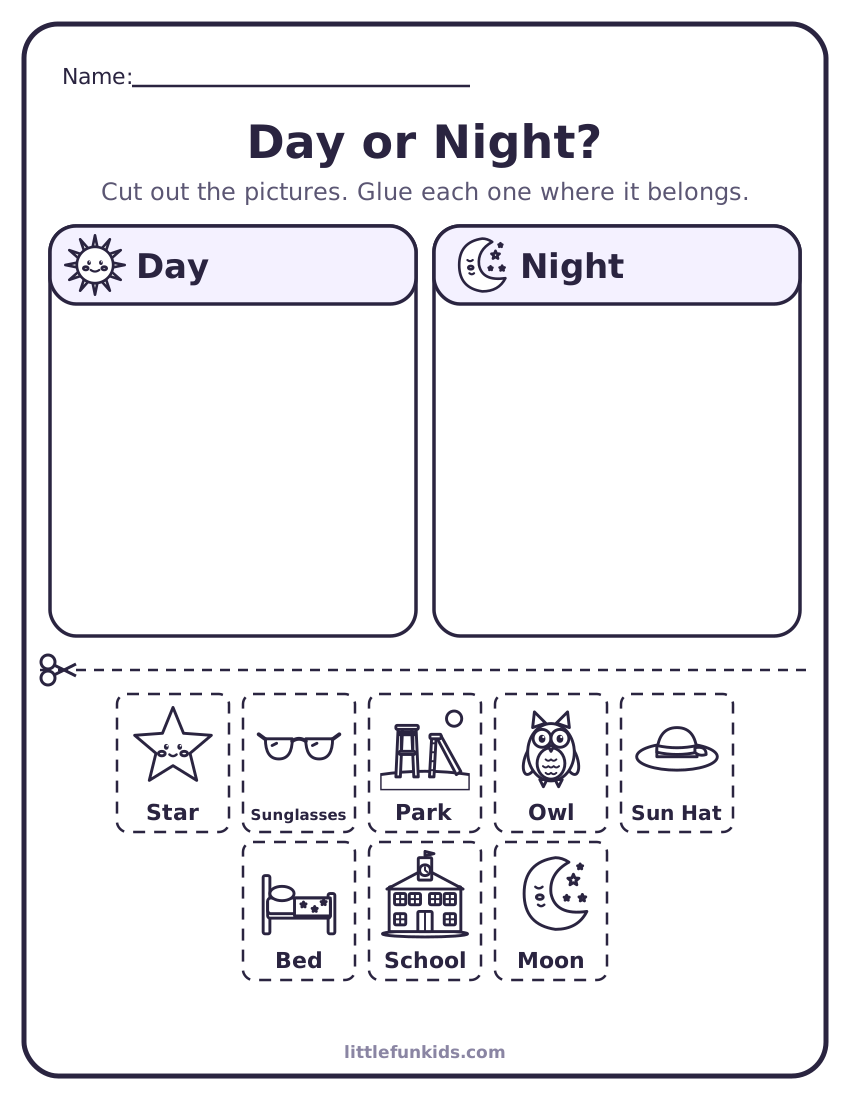
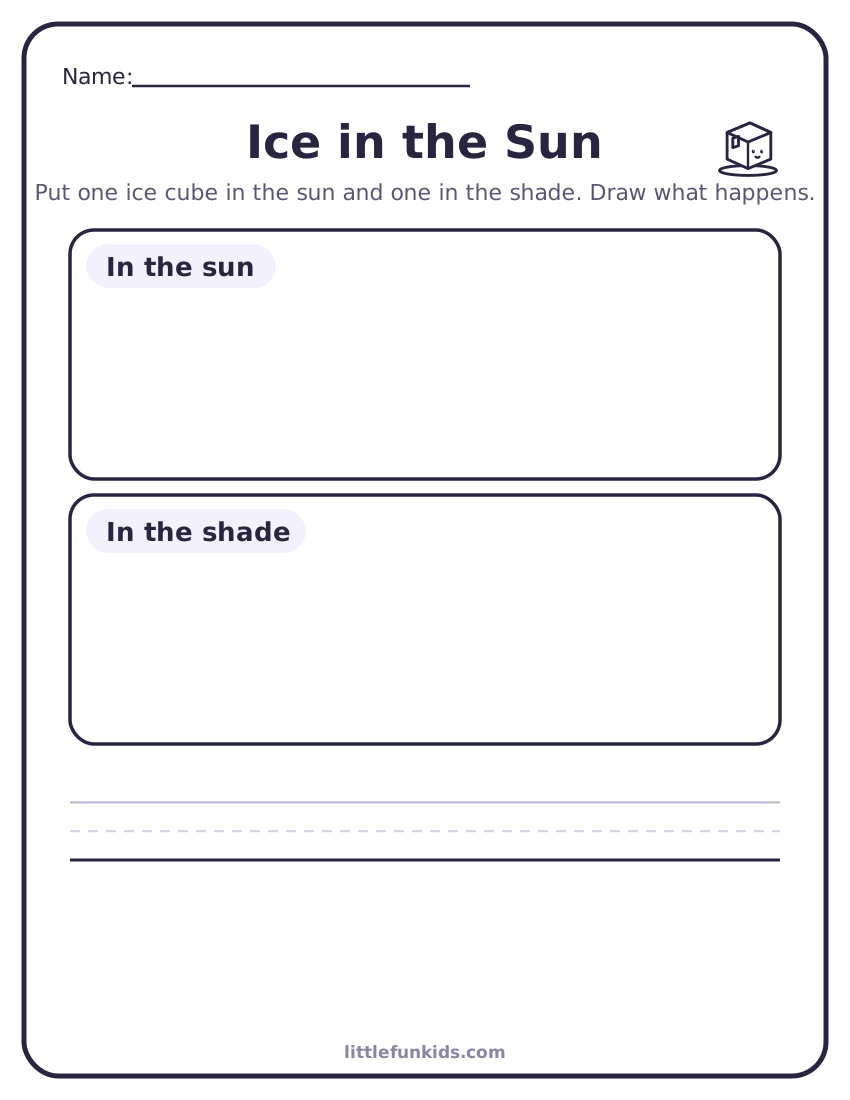
Printables
Play
Read together
Stories to read aloud that go with this topic.
Talk about it
Questions to ask while you read, play or walk.
- What do you do in the day? What do you do at night?
- Where is your shadow? Can you make it move?
- Why does a sidewalk feel hot on a sunny day?
For teachers
What this topic supports:
- NGSS K-PS3-1: sunlight warms Earth’s surface
- NGSS K-PS3-2: design a structure to reduce the warming effect of sunlight
- NGSS 1-ESS1-1: patterns of the sun, moon and stars